Work
Yong’s work shows a rare operator arc: industrial robotics field deployment, hardware/software product building, and Physical AI product leadership across global markets. The projects below are not a complete archive; they are the strongest evidence for senior robotics, Physical AI, and deep-tech product leadership.
For humanoid founders For robotics investors
Career Through-Line
- Field robotics judgment: production deployment, commissioning, troubleshooting, uptime, safety, acceptance, and customer trust.
- Physical AI product leadership: humanoid robot roadmaps, data-collector platforms, privacy-first robot concepts, and real-world use-case definition.
- Industrial-to-cloud infrastructure: routers, PLC/robot connectivity, WireGuard, SaaS, AWS, apps, Docker, OpenWrt, and device orchestration.
- Founder commercialization: products taken from idea to users, pilots, paid customers, global reach, and exits.
- Cross-border execution: China, Germany, the U.S., Mexico, and broader Asia-Europe-North America industrial networks.
Physical AI Product Leadership
Yong’s current Physical AI work builds on two decades of field robotics experience. The core question is not only whether a robot can move, but what it should do first, what data it needs, how much autonomy belongs on-device, and how the product survives real homes, care settings, factories, and customer workflows.
OmniEdge Humanoid Foundry
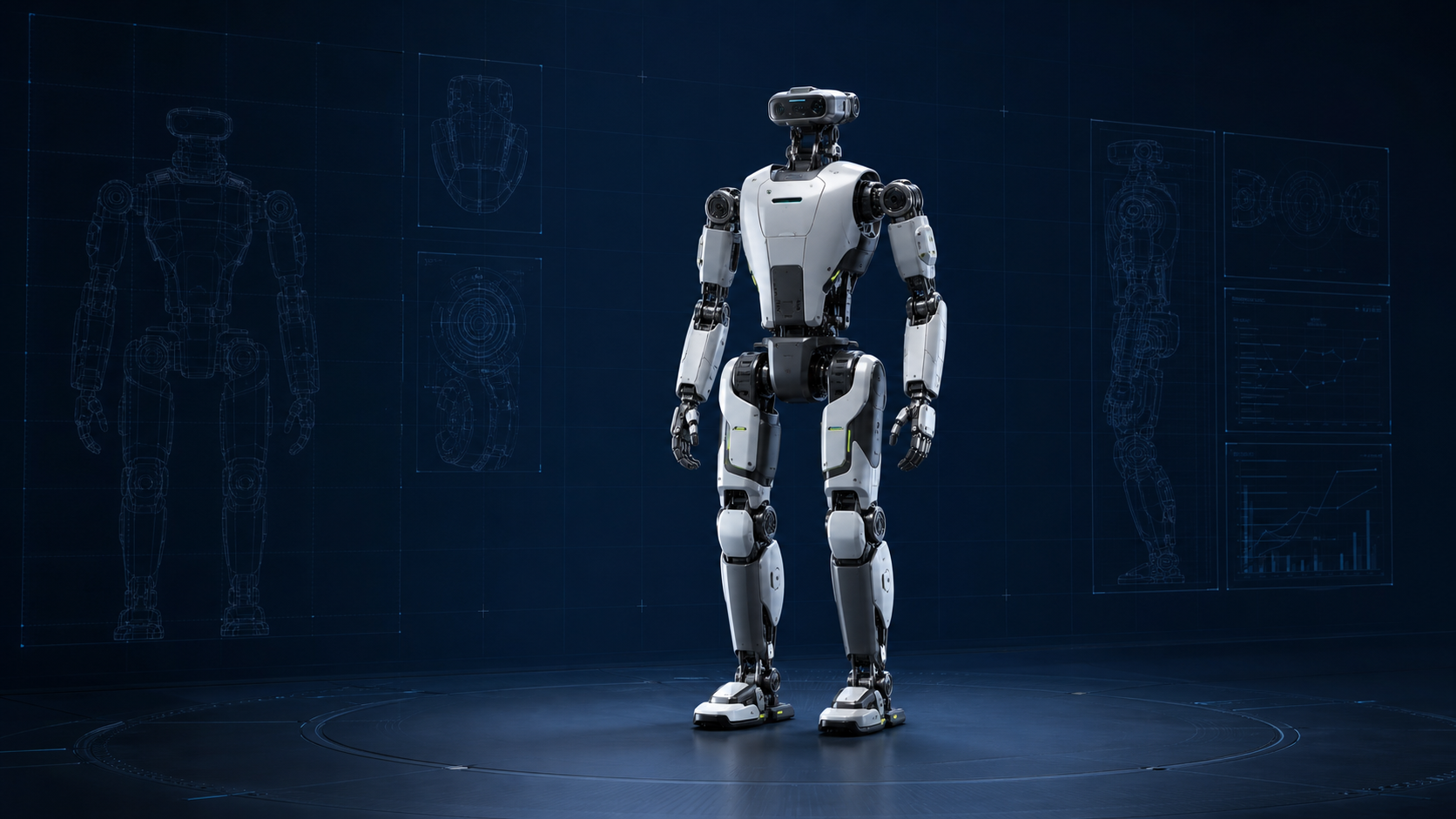
Created a configurable humanoid launch program that brings robot hardware, integrated controls, bounded AI demonstrations, and industrial design into one accountable delivery path. Teams can start with a complete bipedal robot and add launch-ready AI demos or a brand-specific exterior without rebuilding the platform from zero.
The program is structured around a paid architecture sprint, fixed acceptance criteria, documented configurations, and evidence for every demo—turning humanoid R&D into a credible alpha launch milestone.
Visit OmniEdge Humanoid Foundry
Spirit AI Humanoid Robotics
Led product vision, strategy, and roadmap work for next-generation humanoid robots, bridging hardware capability, AI readiness, deployment constraints, and market-facing product definition.
This shows senior product leadership at the humanoid layer: turning robotics R&D into use cases, data loops, roadmap choices, and commercially credible product direction.
Stealth Startup Physical AI Product Definition
Translated customer needs into product direction across IoT, SaaS, AI, and robotics, including humanoid robots and data-collector platforms.
This work shows the ability to operate before the product is obvious: define the first credible version, connect technical constraints to customer value, and avoid overpromising robotic capability before field readiness.
AroOne / 77z Elder-Care Companion Robot Concept

Contributed product and commercialization thinking around AroOne / 77z, a privacy-first elder-care companion robot concept combining hardware, embedded intelligence, and on-device AI.
Elder-care robotics requires trust, privacy, useful daily interaction, and realistic home workflows. AroOne shows Yong’s Physical AI thinking in a human environment where product trust matters as much as technical capability.
Global Automotive Robotics Deployment
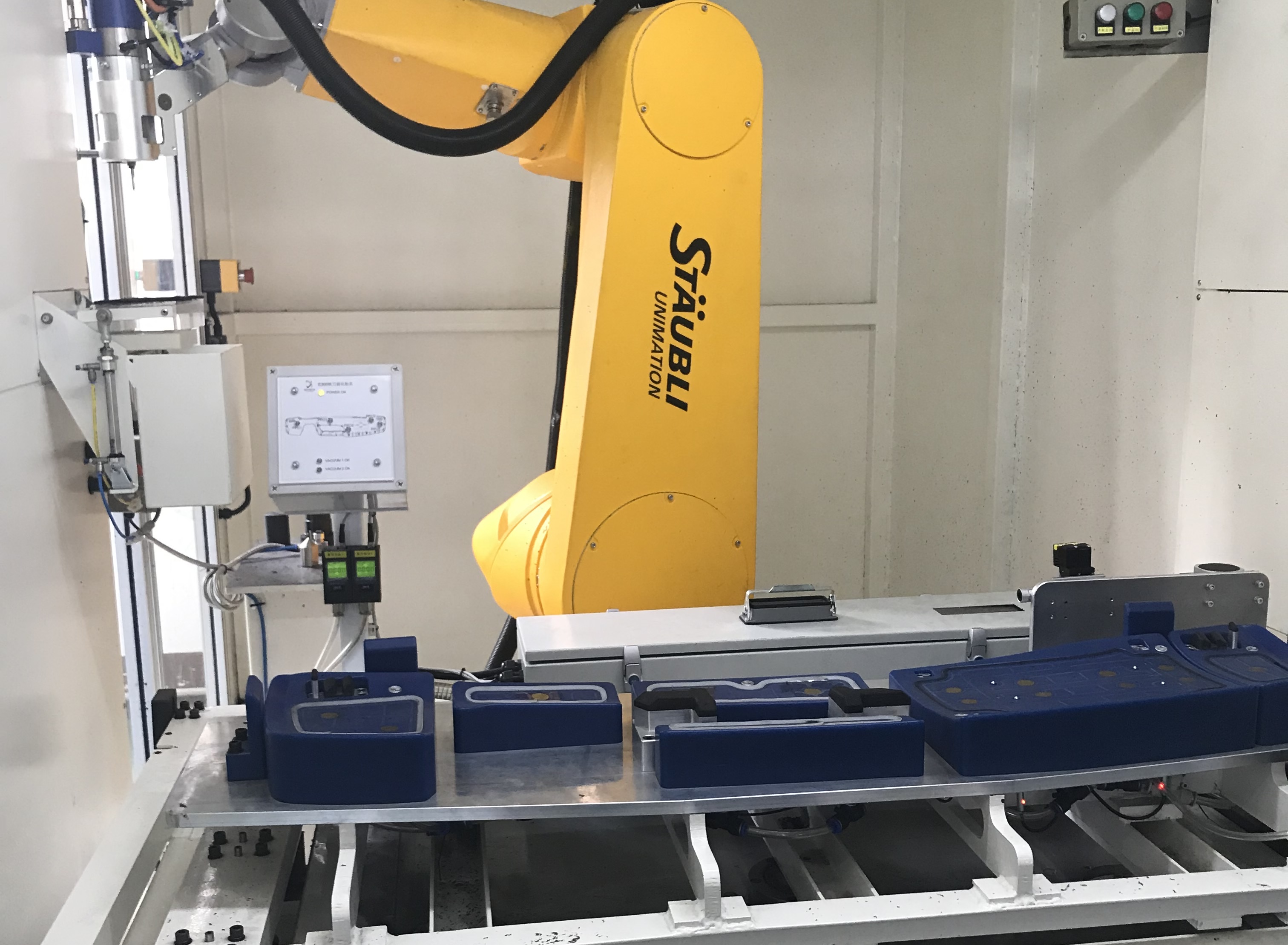
Automotive robotics shaped Yong’s field judgment. These programs create pressure that lab demonstrations do not: safety, cycle time, quality, uptime, customer acceptance, supplier coordination, serviceability, and production schedules.
Delivered robotics programming, simulation, commissioning, troubleshooting, and customer support across Stäubli, Frimo, ABB, Fanuc, Yaskawa, Siemens PLC, industrial vision, and automotive automation projects.
Market context: Work touched global automotive OEM and supplier environments including BMW, Tesla, Mercedes, Audi, Ford, Hyundai, Adient, Grupo Antolin, and Frimo.
Yong understands what separates a working prototype from an accepted production system. That field reality is directly relevant to humanoid robotics and Physical AI deployment.
VAL LASER No-Code Robotics Laser Cutting
Developed an early no-code/low-code robotics laser cutting system that lowered the programming barrier and helped operators generate robot laser cutting paths without deep robotics programming expertise.
The project anticipated a core Physical AI requirement: reduce the gap between domain experts and robot operation.
Industrial-To-Cloud Infrastructure
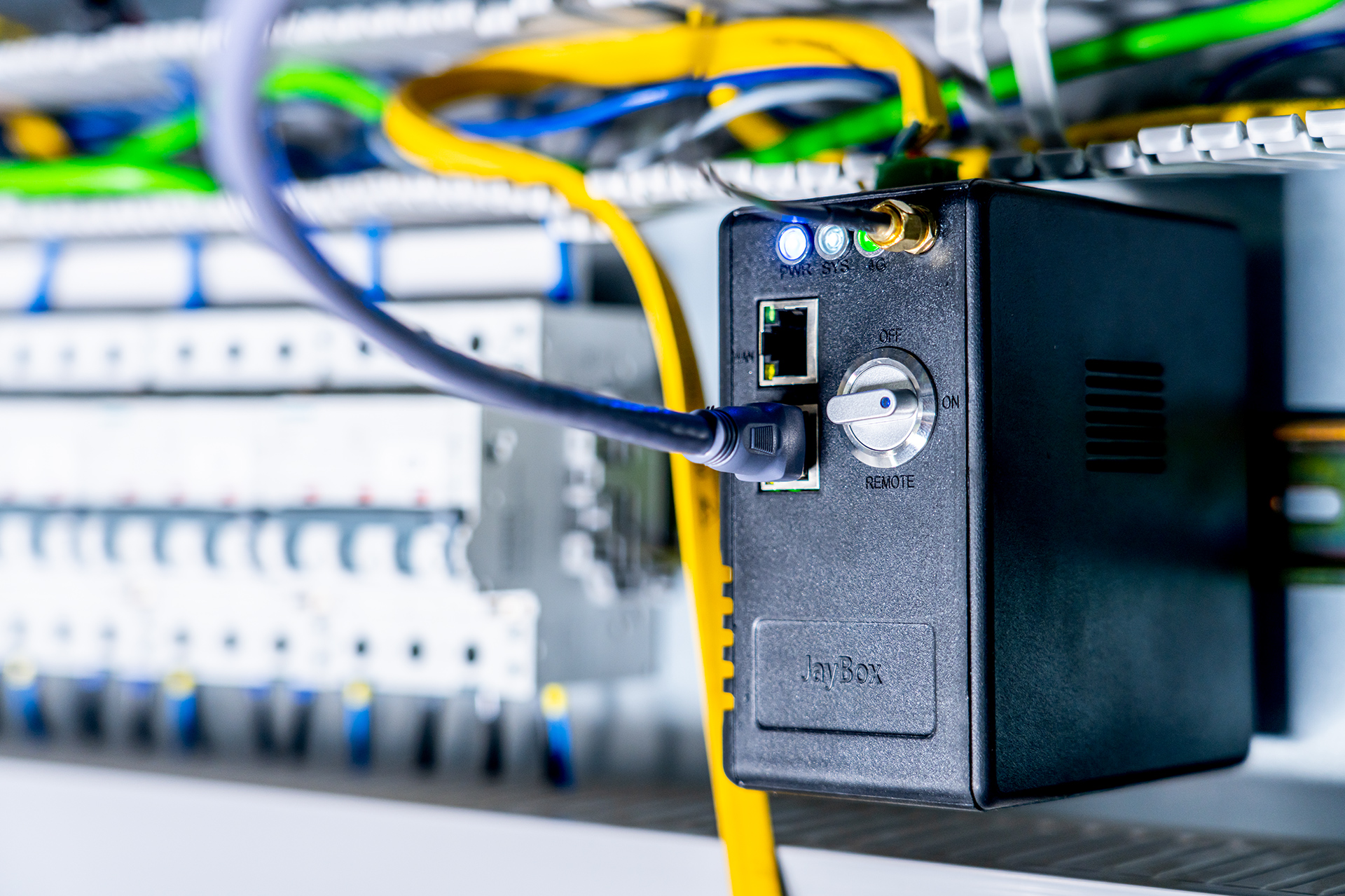
Before Physical AI became a market phrase, Yong built products around infrastructure problems robot and machine teams already had: remote access, secure connectivity, diagnostics, distributed devices, and industrial service workflows.
JIEQI / Jaybox Industrial IoT
JIEQI EdgeComputing and Jaybox combined industrial routers, secure remote networking, cloud orchestration, and native applications. The system used WireGuard-based connectivity to support remote diagnostics, service, and programming for PLCs, robots, industrial vision systems, and production equipment.
Technical stack: Industrial routers, WireGuard, AWS, mobile/native applications, PLC/robot connectivity, cloud orchestration, and service workflows.
The product turned field-service pain into a hardware + SaaS wedge for machine builders and industrial automation teams.
OmniEdge P2P Mesh VPN
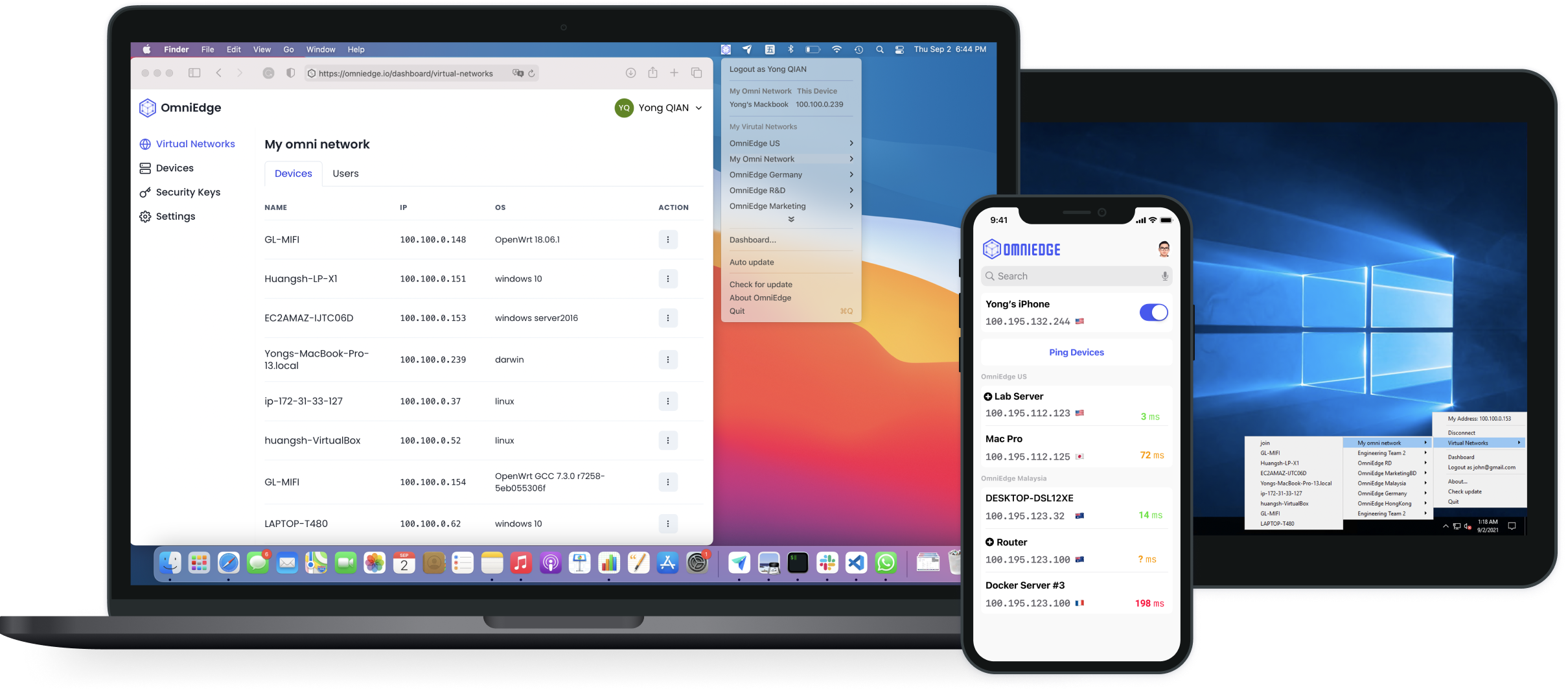
Designed and launched OmniEdge, an open-source peer-to-peer mesh VPN and edge networking SaaS. The platform connected devices across Linux, Windows, macOS, iOS, Android, Docker, Synology, OpenWrt, and GitHub Actions environments.
Market result: Grew to 7K+ users across 26 countries and completed a strategic exit.
Robotics and industrial systems increasingly need device identity, remote connectivity, fleet access, and edge-to-cloud orchestration. OmniEdge is part of Yong’s infrastructure track record.
Cross-Domain AI Commercialization
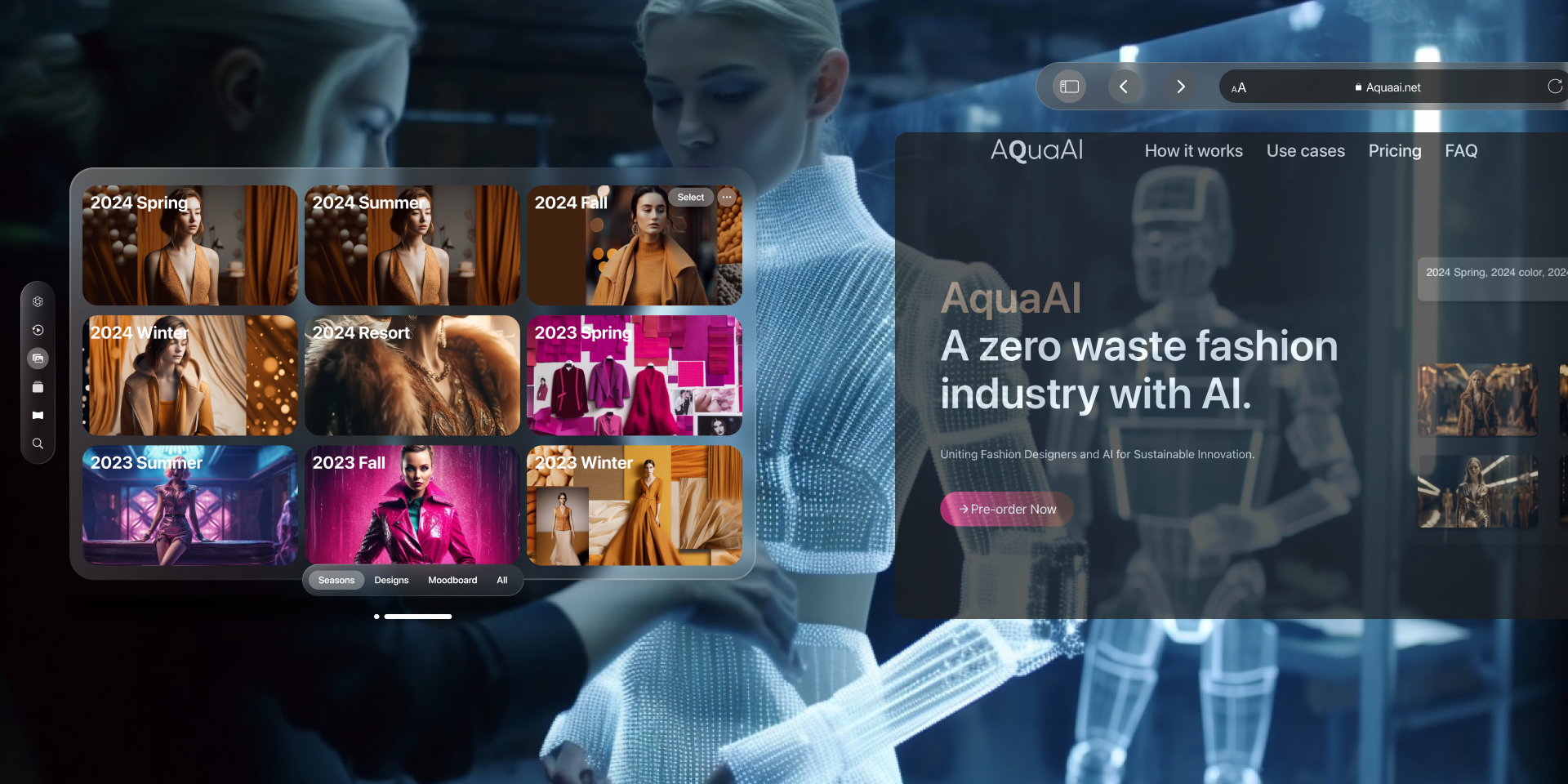
Yong’s non-robotics AI work matters because it shows range: he can enter a new domain, validate the workflow, build the product, and commercialize AI under real constraints.
DeepFashion AIGC SaaS
Designed and released DeepFashion.us, a Fashion AI SaaS platform for personalized generative models, design generation, collection management, and creative workflow acceleration.
Technical stack: Stable Diffusion, fine-tuning workflows, GPU cloud infrastructure, image generation, SaaS product design, and AI-assisted development.
Market result: Grew internationally, converted users and pilots, and achieved a successful exit.
OpenKoi Autonomous Coding Agent
Helped release OpenKoi, a production-oriented autonomous coding agent concept focused on moving AI from assistance to delivery loops.
Robotics and industrial software teams increasingly need agentic development workflows to ship across firmware, edge, cloud, and UI surfaces.
Published Operating Knowledge
The books are part of the operating portfolio because they document products and transitions Yong has personally built or lived through.
Explore Books View Case Studies Discuss a Physical AI decision