
The Economics of an Enemy
Published:
Originally published on Substack.
A good pitch often needs an enemy.
Not because hatred creates value, but because rivalry changes incentives.
In economics, the biggest challenge for a new strategic industry is not only technology. It is coordination. Capital, customers, governments, suppliers, and talent all move according to different incentives. A visible rival helps align them.
This is the economic logic behind the Thucydides Trap.
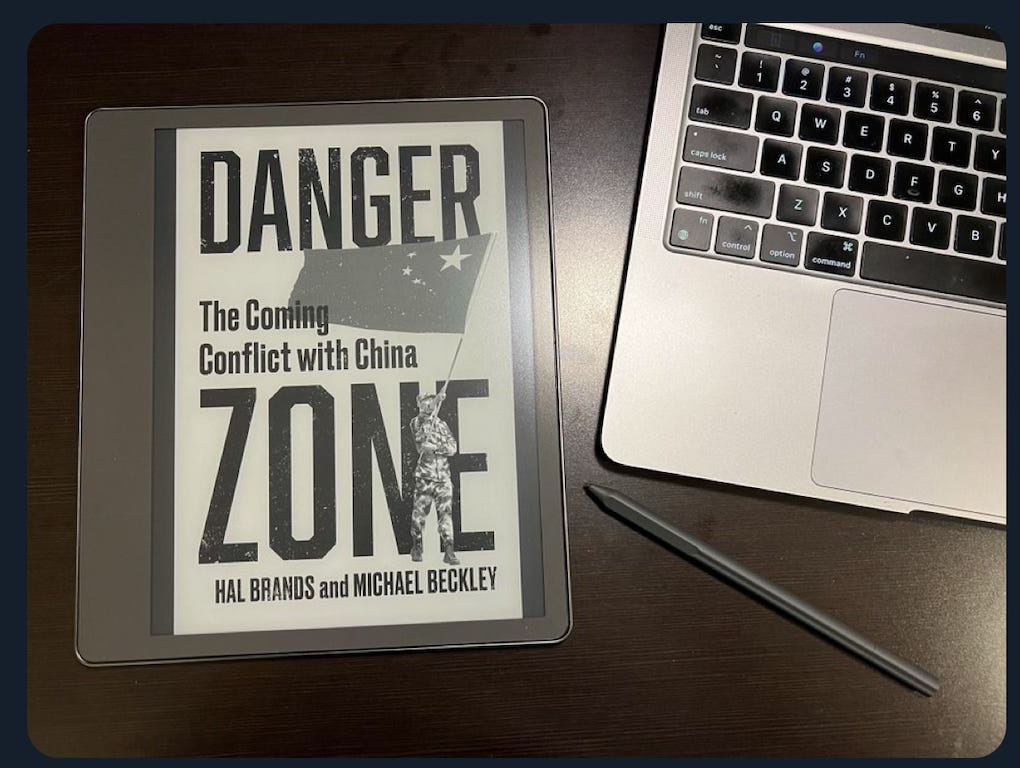
When a rising power challenges an established power, fear increases on both sides. That fear can be dangerous politically. But economically, it also creates mobilization.
Airbus is a classic example.
Boeing was founded in 1916. Airbus was founded in 1970. When Airbus appeared, Boeing had already spent more than half a century building dominance in commercial aviation.
Europe did not create Airbus merely to build another aircraft company. It needed a rival narrative. Boeing became the visible enemy. That narrative helped European governments, airlines, suppliers, engineers, and investors justify long-term coordination.
The same pattern appeared in semiconductors.
In the 1970s and 1980s, Japan’s semiconductor industry rose quickly and challenged American leadership. For the United States, Japan became the visible rival. That rivalry helped turn semiconductors from a business issue into an industrial strategy issue.
This is the useful side of the Thucydides logic.
A rising competitor makes the established player feel pressure.
An established competitor gives the rising player a target.
Both sides become easier to mobilize.
This is why American robotics companies and Chinese robotics companies can both benefit from a strong rival narrative.
For American robotics companies, China can be framed as the rival in physical AI, manufacturing automation, and humanoid robotics.
For Chinese robotics companies, the United States can serve the same role.
The point is not to create hostility.
The point is to create urgency.
A rival narrative raises the perceived cost of inaction. It makes investors more willing to fund, customers more willing to adopt, governments more willing to support, and ecosystems more willing to organize.
Industrial history rarely moves only because someone says:
“We are building a better product.”
It moves faster when people believe:
“If we do not move now, we will fall behind.”
Airbus had Boeing.
American semiconductors had Japan.
Japan had American industrial leadership.
Robotics may follow the same rule.
The company that defines the rival does not merely define its competitor. It defines the economic reason for everyone else to join.